
Puzzle games and the brain: boosting cognition through play
Understanding Cognitive Benefits of Puzzle Games
Puzzle games serve as cognitive exercises for players, challenging them to think critically and solve problems within time constraints. Studies suggest that engaging with such games can enhance various cognitive skills, including memory, attention, and problem-solving abilities. The mental stimulation provided by these games involves navigating through different levels of complexity, often requiring players to use logic and pattern recognition.
Research indicates that players who regularly engage in puzzle games exhibit improved spatial reasoning skills. For example, players of Tetris have shown increased efficiency in visual-spatial tasks, which could translate to better performance in real-life scenarios, such as driving or navigating new environments. Furthermore, the psychological aspect of achieving goals in these games can foster a sense of accomplishment, which may also positively impact overall mental health.
The Role of Puzzle Games in Aging and Cognitive Decline
As individuals age, cognitive decline can become a significant concern. Engaging in activities that stimulate mental faculties is often recommended by health professionals. Puzzle games could serve as an enjoyable form of cognitive exercise, possibly delaying the onset of age-related cognitive decline.
Studies have shown that older adults who play puzzle games regularly demonstrate better cognitive abilities compared to those who do not engage in such activities. Games like Sudoku and crosswords have been shown to improve memory recall and mental agility. This suggests that incorporating these types of games into daily routines may help maintain cognitive health as one ages, providing both enjoyment and a mental workout.
Types of Puzzle Games and Their Specific Benefits
Different genres of puzzle games offer various cognitive benefits, appealing to a wide range of players. Here are some popular types and their associated advantages:
- Logic Puzzles: Games like chess or nonograms require strategic thinking and foresight. These games enhance analytical skills and improve decision-making processes.
- Pattern Recognition Games: Titles such as Bejeweled or Candy Crush challenge players to recognize and create patterns quickly, aiding in developing visual-spatial skills.
- Word Games: Crosswords and word searches not only boost vocabulary but also improve memory and cognitive flexibility as players must think of multiple words and associations.
These games can be easily integrated into daily life and often provide a convenient way to take a mental break. Additionally, many mobile versions of these games allow for easy access during commutes or downtime, making cognitive engagement more attainable.
Social Engagement and Its Impact on Cognitive Function
Puzzle games can also foster social connections, which play an important role in maintaining cognitive health. Multiplayer puzzle games or those integrated with social media platforms encourage collaboration and competition among players. Engaging with others not only enhances the gaming experience but also promotes mental stimulation through communication and teamwork.
As players discuss strategies or compete for high scores, they exercise their cognitive skills in a social context. This interaction can enhance critical thinking and adaptability, reinforcing the idea that games are not merely solitary activities but can serve as a platform for communal learning and collaboration.
Future Directions in Puzzle Gaming and Cognitive Research
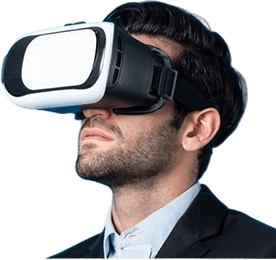
The landscape of puzzle games is continually evolving, and with advancements in technology, the potential for enhanced cognitive benefits is substantial. Virtual reality (VR) and augmented reality (AR) are beginning to enter the realm of puzzle gaming, presenting new ways for players to interact with puzzles and challenge their brains.
Future research may explore how these technologies can further enhance cognitive development, particularly for players of all ages. Furthermore, the growing popularity of esports may lead to innovative puzzle game formats that could engage even wider audiences. Such advancements could make cognitive skill development more appealing and accessible, potentially reaching demographics that traditional gaming rarely touches.
Incorporating engaging platforms for learning is essential. For gamers interested in leveraging their passion for cognitive growth, resources like onboarding in new gaming technologies could provide valuable insights into the best practices for game-based learning.
Conclusion: The Impact of Puzzle Games on Cognitive Health
In conclusion, puzzle games play a significant role in enhancing cognitive function across various demographics. From improving memory and problem-solving skills to promoting social engagement, these games offer substantial benefits for brain health. As research continues to uncover the links between gameplay and cognition, it becomes increasingly clear that puzzle games are not only a source of entertainment but also a valuable tool for enhancing mental acuity. Players seeking to deepen their understanding of how gaming can affect cognition may wish to consider support options, such as IPTV reseller customer support, to explore diverse gameplay experiences that contribute to mental development.